
innovate.lead.
scale.
scale.
Senior technical leadership for founders and teams who need someone who can set direction in the boardroom and still read the diff: architecture decisions, AWS & GCP operations, and an engineering practice that keeps pace with modern tooling and still holds up under review.
Uptime
99.98%
Cloud spend
↓ 18%
Regions
3 active
Monthly spend trend
Areas of expertise
Technical leadership, not just headcount
Four disciplines that tend to show up together in every engagement.
Fractional CTO / technical leadership
Architecture decisions, roadmap, and hiring support on a part-time cadence, the calls that are hard to make alone. A six-figure infrastructure commitment gets a written decision record before anyone signs off on it.
Cloud architecture: AWS & GCP
Infrastructure designed to expect failure and recover from it on its own. Health checks, auto-scaling, and automated remediation fix a failing service before anyone needs to be paged at all.
Systems design for growth
Architecture sized to the team and traffic actually in front of it, revisited as both grow. It's the judgment that splits a monolith's checkout path ahead of your busiest week of the year, timed by what the data shows rather than a hunch.
LLM-supported engineering practice
Modern AI tooling built into delivery: faster prototyping, and a review bot that catches the null check you missed, with a person still signing off before anything merges.
The stack
Built on tools your team can actually hire for
Boring, well-documented, and widely known, on purpose, laid out here like a spec sheet.
The filter underneath all of it: does this technology answer to an open specification, or to one vendor's roadmap? Kubernetes, OAuth2/OIDC, SQL, and OpenTelemetry outlive any single company's product decisions; a proprietary managed service tied to one vendor's API doesn't.
Cloud & infrastructure
Multi-cloud when it's actually warranted (see: the tax of doing it when it isn't); boring and well-documented everywhere else.
Platform engineering
Paved-road tooling that lets application teams ship without becoming infrastructure experts themselves.
Application layer
Chosen for what the problem actually needs (runtime characteristics, ecosystem maturity, what's still supportable five years out), with team familiarity weighed as one factor, not the default answer.
Data layer
Durable, well-understood data stores, boring in exactly the way you want your data layer to be.
Field notes
How this judgment actually gets applied
A few of the specific questions this practice spends the most time on, written out in full.
Build vs. buy: a framework, not a feeling
How technical leadership actually reasons about platform decisions — total cost of ownership, blast radius, and what it costs to change your mind later.
Multi-cloud without the multi-cloud tax
When running on both AWS and GCP is genuinely warranted, when it's cargo-culted, and what the difference costs you in practice.
Open specs vs. vendor lock-in: how to actually evaluate a platform decision
A real test for telling a genuinely open standard from a vendor's marketing use of the word, and why the difference should shape how a stack gets built.
What "fractional" looks like, week to week
What you're actually buying: the cadence, the access, and where a fractional CTO's judgment gets used versus where it doesn't.
Selected engagements
Work delivered across cloud, platform & engineering teams
A sample of past engagements, spanning technical leadership to consulting and engineering.

DevOps / Engineering / CTO · US

DevOps / Engineering · US

DevOps / Engineering · US

DevOps / Engineering · US

DevOps · Australia

Consulting / CTO · US

DevOps · Spain

DevOps / Engineering · US

DevOps / Engineering · US

Engineering · US

Consulting / Project Management · Australia

Consulting / Project Management · Australia

DevOps / Engineering · US

DevOps · US

DevOps / Engineering · US

DevOps / Engineering · US

Consulting · US

DevOps · US

Engineering · US

Hextrap
Platform Eng / AI Tooling · US

Expiring.at
Platform Eng / AI Tooling · US

Consulting · US
How we work
Embedded leadership. Real ownership.
Where it actually hurts
A real architecture and org review: what's fragile, what's expensive, and what's actually blocking growth versus what just feels urgent this week.
A regular cadence, real access
Embedded technical leadership on a fractional cadence, covering roadmap, hiring, and architecture decisions, with a direct line to your team between syncs.
Still there after launch
Cloud systems built and maintained to scale with you, by the same person who built them, for as long as the engagement runs.
Team culture
Wrong answers are allowed. Staying wrong isn't.
The technical decisions matter less than whether the team gets better at making them. A few things every team this practice leads or advises actually operates by:
Failures get reviewed, not punished
Blameless postmortems that ask what the system allowed to happen, not who to blame for it. Punishing an honest mistake just teaches people to hide the next one until it's worse.
Nobody stays the expert by standing still
Everyone on the team is expected to keep learning, regardless of title. That might mean a new part of the stack, a technique nobody's tried yet, or a tool that makes last year's approach obsolete.
The same problem, from a different angle
When the obvious approach doesn't fit, the team actually re-approaches it, instead of grinding harder on the first idea just because it's already underway.
Security is everybody's fight, not one team's job
Less friction between security and development, not more process between them; coaching, realistic expectations, and honest risk management instead of blanket vetoes. The only 100% secure system is the one that never shipped, and that's not the goal.
About
A CTO you can actually reach
Loop Science provides fractional technical leadership and hands-on cloud engineering for teams that need senior judgment without a full-time executive hire: architecture, AWS & GCP operations, and the roadmap decisions in between.
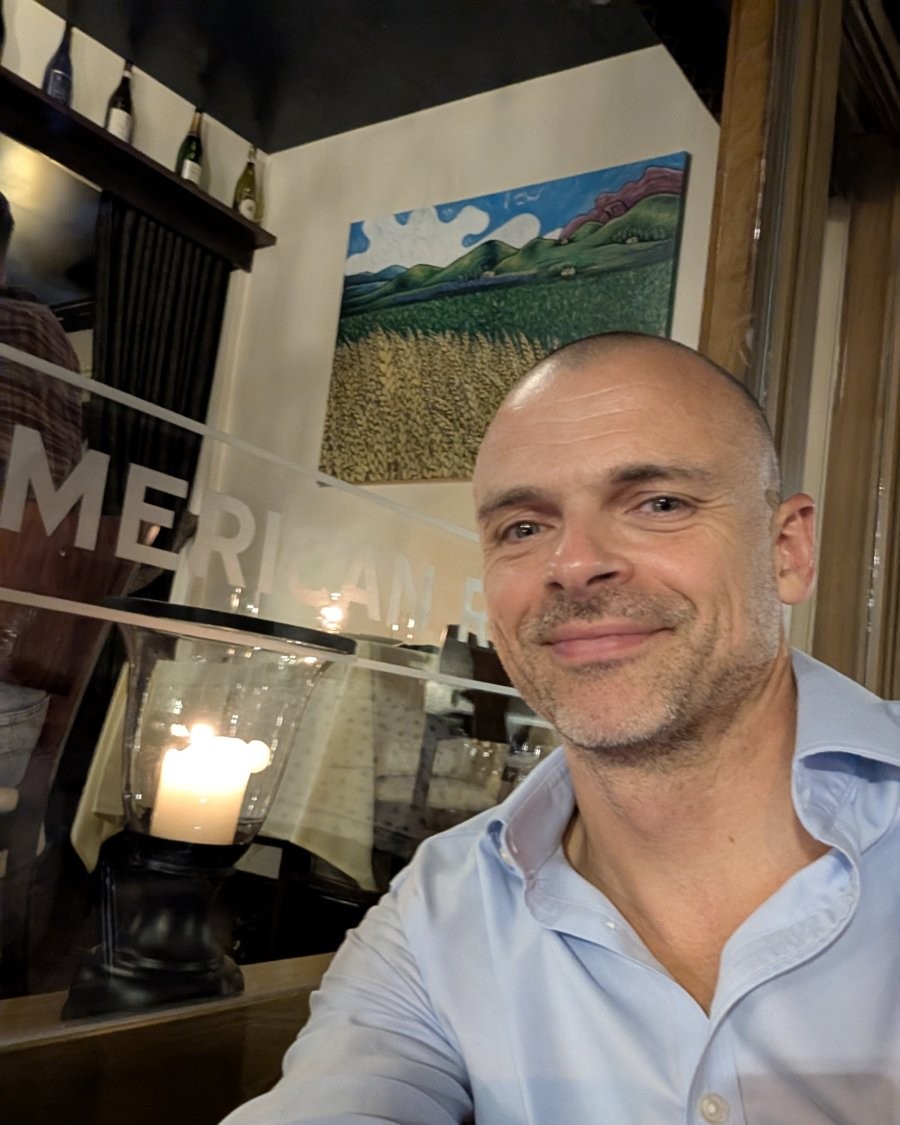
I started Loop Science in 2008, straight out of an information systems degree, and the practice has moved through nearly every seat in an engineering org since. Developer, project manager, software engineer, architect, and eventually fractional CTO, with a few of my own startups founded along the way. That history is why the advice is practical. I've built, operated, and been responsible for these systems myself, at every layer from code to infrastructure.
The client roster grew slowly and mostly by referral over the following decade, mostly startups and mid-size teams that needed help planning and building systems in AWS and GCP that stay reliable under real load, along with the Kubernetes, cloud-native design, and security work that tends to travel with it.
Have a system that needs real ownership?
Existing client? Log in to your account. New engagement? Tell us about it and grab time on the calendar.